I can hear you now,
“Creativity? What’s this girl going on about now?”
Okay, so maybe you aren’t actually saying that. But given that I just mentioned I wanted to write about happiness, talking about creativity may seem a little removed. I would have thought so at first, too, but surprisingly, happiness and creativity are more connected than you might think. I’ll get into that in a second, but first, a list on why creativity is cool/matters:
1. It allows you to recognize there is pure awe to be had about the world – the potential for any and everything is immense.
2. You can do anything, you just have to believe (in yourself).
3. We all have it, we just need to figure out where our interests lie.
4. Through communication and patterns of thought, it distinguishes my idea from someone else’s similar idea.
5. It allows us to believe that when we step out of our comfort zone, everything will be okay.
6. It helps me realize failure is an opportunity for growth and gratitude.
7. “Once you start creating things, you start to realize everything has intention behind it.”1
Be intentional.
8. Don’t laugh, but it makes work fun. There is some, but also little, reason to be bored, annoyed, and disgruntled with menial or less-than ideal tasks, especially if it puts you in a bad mood. Rather, maybe reimagine it into a project you’d rather spend time doing.
(You know those people that say, “C’mon, it’ll be funnn”? Yeah, that’s me. I’d rather try to be annoyed as little as possible each day, so reminding myself I have creative freedom is *ehem* liberating.)
As you potentially have stumbled upon by now, I initially started working on this … book?… for one of my summer classes, which was a course about creativity. During the first half of the course, we discussed different creative theories while the second half focused on bringing out creativity in the classroom. It was actually a course designed for teachers, which hopefully, some day, I will be in some capacity, but I actually took the class pretty selfishly.
I’d been wanting to write on the subject of happiness for some time, but you know, life always seemed to get in the way. Lucky for me, I glanced over the syllabus prior to registration and noticed one of the assignments was to engage in some type of creative activity, something we had never done before. Well, I have done a lot of journaling before, critical reflection of a sort, but I’d been thinking about compiling all my thoughts in a different fashion. But how? The answer: autoethnography.
Early in 2021, I was interviewing to be admitted as a doctoral student at the University of Georgia. I do not fully remember the entirety of this question that one of the panelists asked me, but I must have shared something about this On Happiness idea because she then asked if I had ever heard of what was called an “autoethnography.” I am sure I responded by making some comment about an autobiography. If you thought similarly, not to worry, there is a pretty cool difference, but they are easily mixed up. Autoethnographies, as with autobiographies, are personal accounts, often used in research, to examine how culture and individual life experiences shape the way someone approaches new situations, problems, or differing perspectives. Essentially, autoethnographies are a way to engage in self-reflection to make sense of a problem or recurring theme and enhance a story. Autobiographies, on the other hand, usually involve recounting life events.
Early on in my creativity course, we learned about the number of ways creativity, as well as creative people, are defined and described. At first, I was blown away – I had revelation after revelation and frequently paced up and down my tiny apartment so I could sort out my hundreds of thoughts.
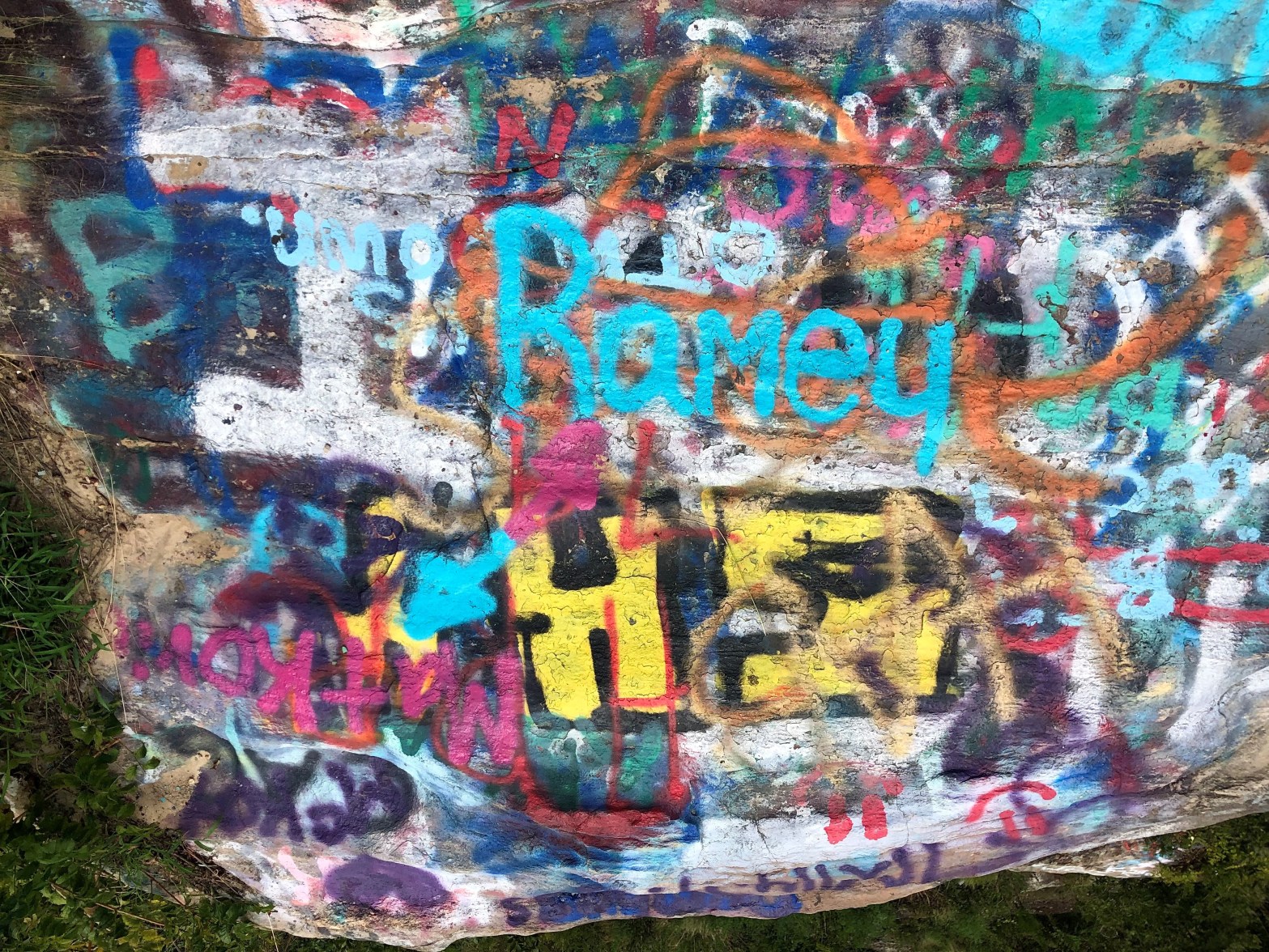
If you are like me, you may have grown up thinking creativity was merely anything having to do something with art, anything associated with wild, unique, and collaborative colors and patterns. And people who were creative were the ones who were in theater, the ones who got As in art class, the ones who were elected to the student council because of their beautiful posters, the ones who wore funky fashions, the ones who were always doodling in the margins of their notebooks. They were unique, bold, and authentic personalities. But the more I learned in this class, and the more I thought about it, the more I realized creativity is not anything exclusively or directly associated with art and patterns and colors, nor is it limited to only one type of person.
To a degree, I wonder if a more accurate assessment of my past conception of creativity was that I found it to be a rarity – something only certain people could market of themselves. I don’t know about you, but my thought was whoever could take their color-coded history map and make it something different than the rest of us, well, then, they were obviously a creative genius. (Don’t get me wrong, I love color-coding, but I suppose it’s rather hard to believe in the ubiquity of creativity when schools and kids from growing up, society, social media, etc. etc. preach conformity and tell us about the latest trends and give messages about “well so and so said this so obviously this is the proper reaction.”)
So you could say I thought creativity was limited, like it was something you had to discover. But it’s not. Creativity – possibility, wonder – exists in droves around us I just think many are unwilling to grab ahold.

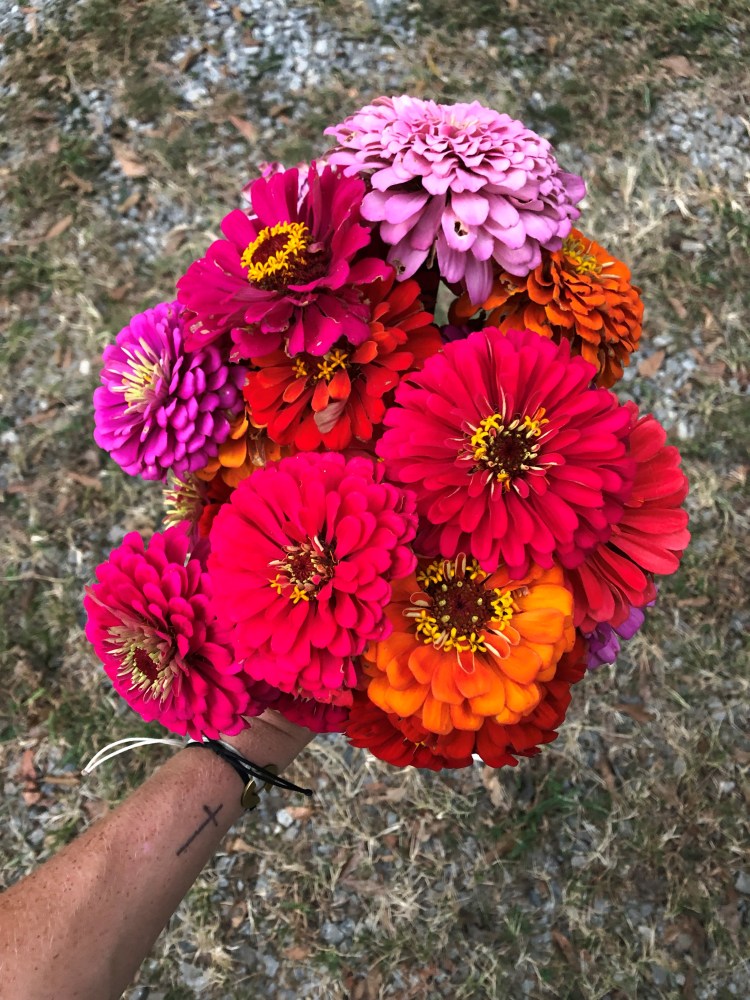
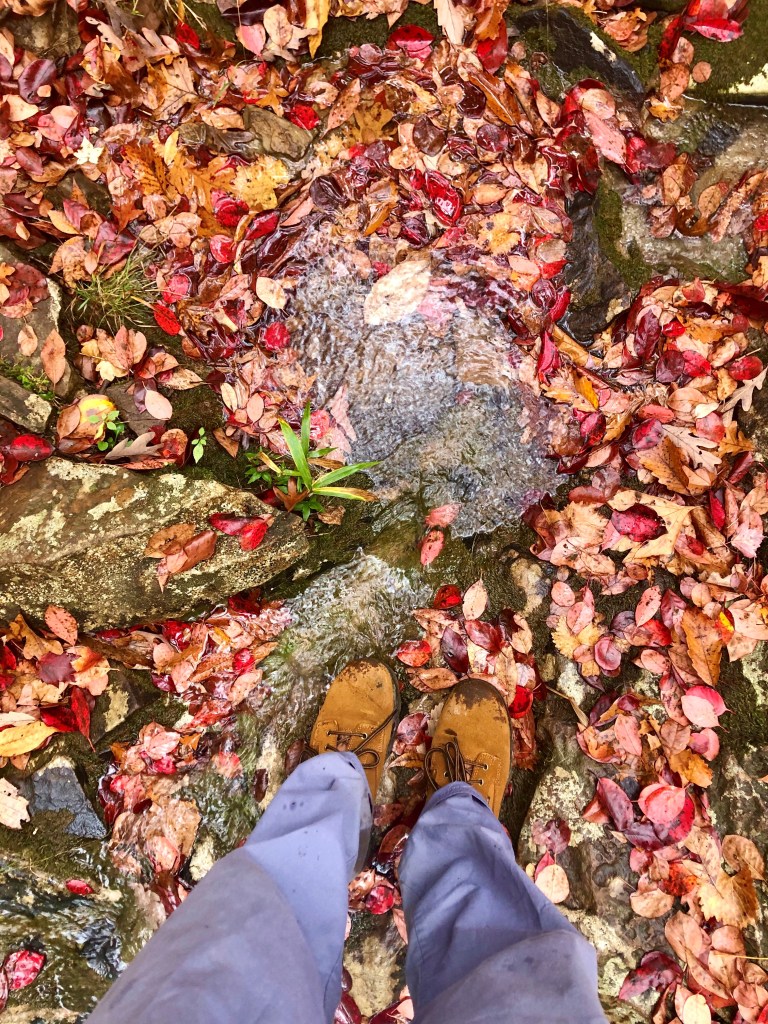
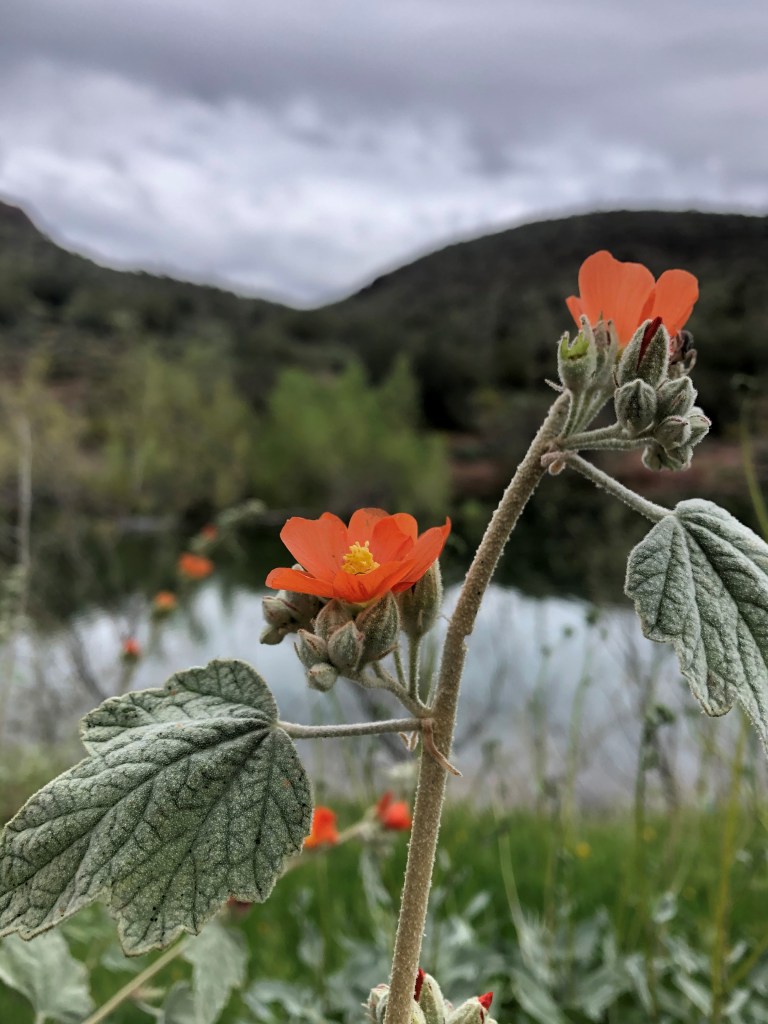
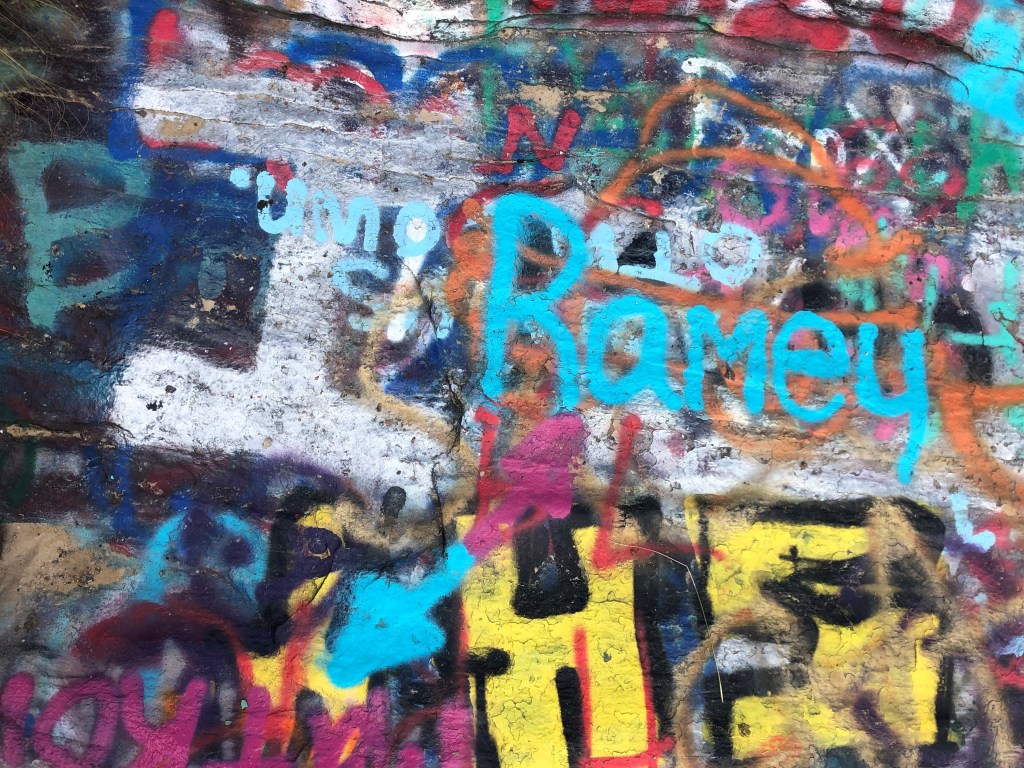

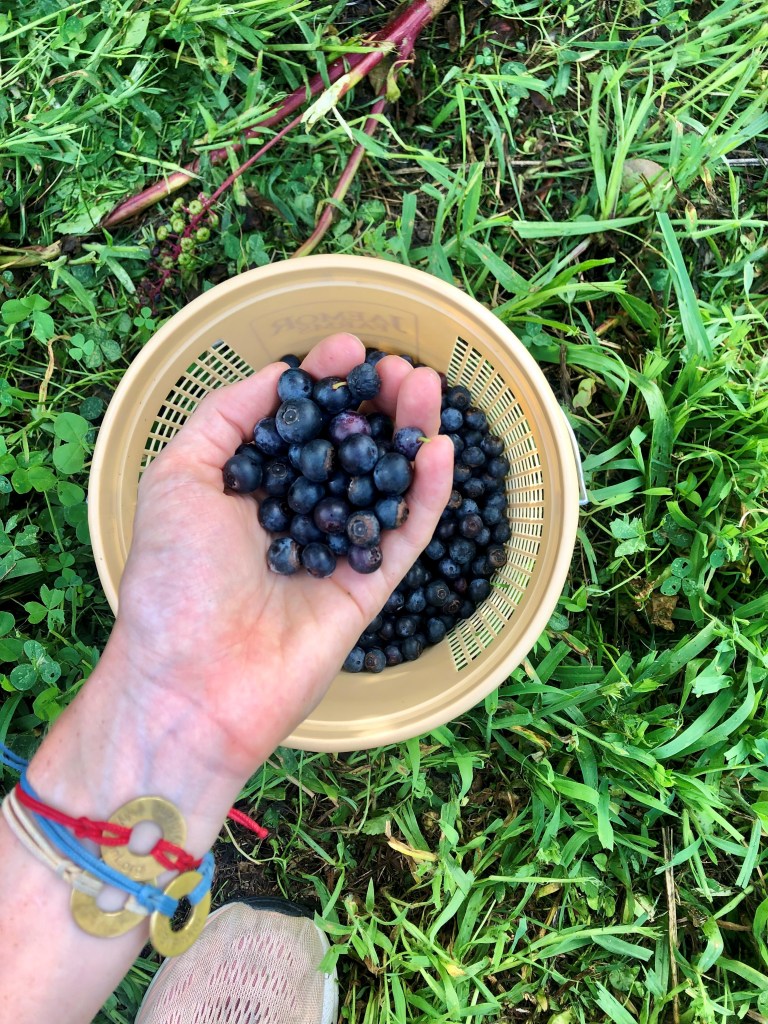
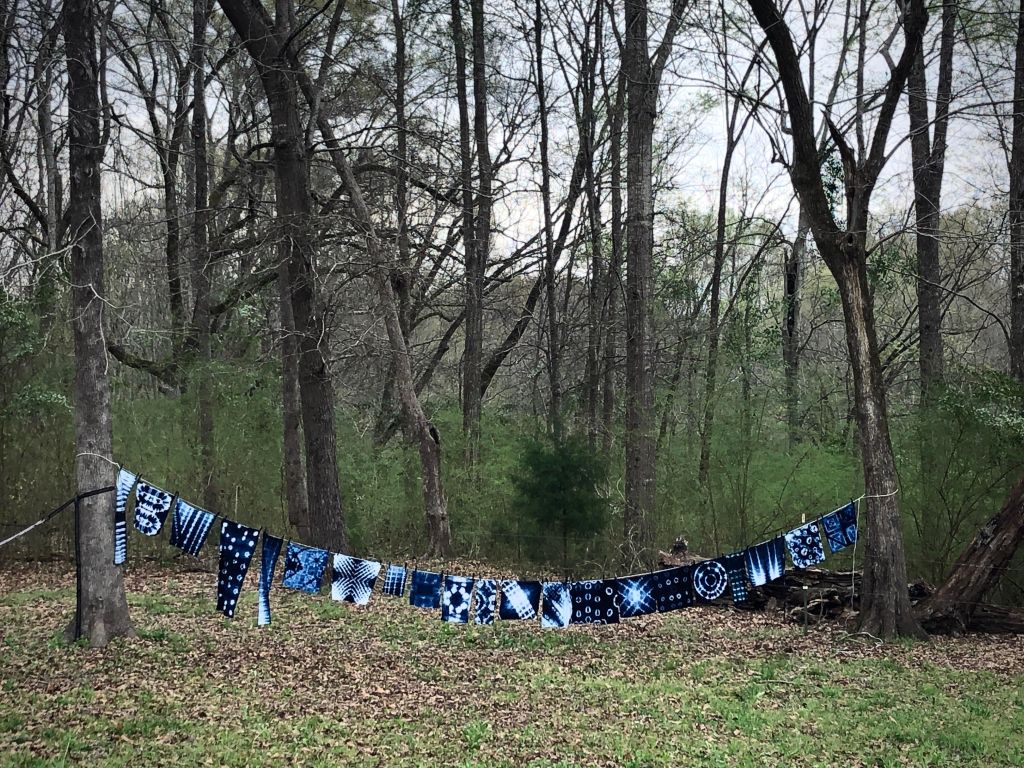



Again, the more I thought about it, the more I realized creativity is indeed limited, but I say that because I believe it is limited to those willing to be a lone personality, the ones looking to be the utterly true version of themselves, no matter their profession or interests. The ones who take their daily list of tasks and simply exude the mantra, “you’ll never work a day in your life if you love your job.” Creativity allows us to go after meaning, passion, and purpose without fear of failure.
One of the best definitions I have read about creativity, specifically as it relates to creative people, was by Donald MacKinnon, a professor and psychologist at the University of California, Berkeley who led research on characteristics of creative people. He found that, in a way, many creative people also often believe things simply will work out because they have
the courage to question what is generally accepted;
the courage to be destructive in order that something better can be constructed;
the courage to think thoughts unlike anyone else’s;
the courage to be open to experience both from within and from without;
the courage to follow one’s intuition rather than logic;
the courage to imagine the impossible and try to achieve it;
the courage to stand aside from collectivity and in conflict with it if necessary;
the courage to become and to be oneself.2
I certainly am in no way advocating you take down an entire governmental system or ignore your teachers or disrespect your bosses. Rather, I am suggesting you imagine what would happen if instead of robotically going through the week – and getting to Friday and realizing you have no recollection of actual thought – you actually saw the day. Synthesized the day. Cataloged the day. And recognized the day – each day – as the unique gift it is.
To be creative is to have the courage to become and to be oneself.
Donald Mackinnon
Creativity is not so much artistic tendencies and colorful life habits as it is the way in which you find meaning and confidence in your own abilities to succeed and push beyond where most people would stop. Creativity is the way you approach problems – the way in which you reframe a problem into an opportunity. Creativity is the way you communicate your thoughts to unlock and inspire ideas in others. Creativity is the way in which you do not take no for answer and leave no regrets behind.
We all are, and can be, creative.
At first glance, I still have troubles connecting what I learned in my creativity course to this autoethnographic work. After all, discussing happiness, or the pursuit thereof, is not a wildly creative, innovative, ingenious, or novel idea. It may be a marketable idea, but it is not a novel one.
So why bother? Why throw my thoughts in the mix when so many others have already written about this apparently elusive concept?
Well, I think that is my answer to my takeaway from my professor’s question: I want to help people precisely because I want to add one more voice to the mix. In doing so, I will communicate my thoughts, ideas, experiences, and connections in a new way, maybe in a way someone will have never heard. And maybe, just maybe, something will strike a chord with someone. Maybe that someone is you, maybe it’s not.
Bottom line: if I can help just one person believe in the infinite uniqueness, infinite creativity, of themselves – and remind them they are loved, they have purpose, they can be happy, they have a voice to share – well, then I think I’ll have succeeded. And that’s a powerful thought -a naïve thought – but hey, a thought I’d like to try anyway. Because at the end of the day,
everyone deserves to know they have someone who believes in them.
Notes:
- For more, check out the novel Creative Confidence: Unleashing the Creative Potential Within Us All by Tom Kelley and David Kelley.
- From In Search of Human Effectiveness by Donald MacKinnon (1978).
 ON HAPPINESS
💛🦋
LikeLiked by 1 person